
Outdoor furniture earns its place in a New Zealand home. It gets used for summer dinners, weekend catch-ups, kids’ snacks, quiet morning coffees and everything in between. It also sits through rain, high UV, wind, pollen and damp winter weather.
A bit of dirt or weathering does not mean your furniture is past its best. In many cases, a proper clean and some basic care can make a tired setting look far better. The key is using the right approach for the material, rather than reaching for the strongest cleaner in the cupboard.
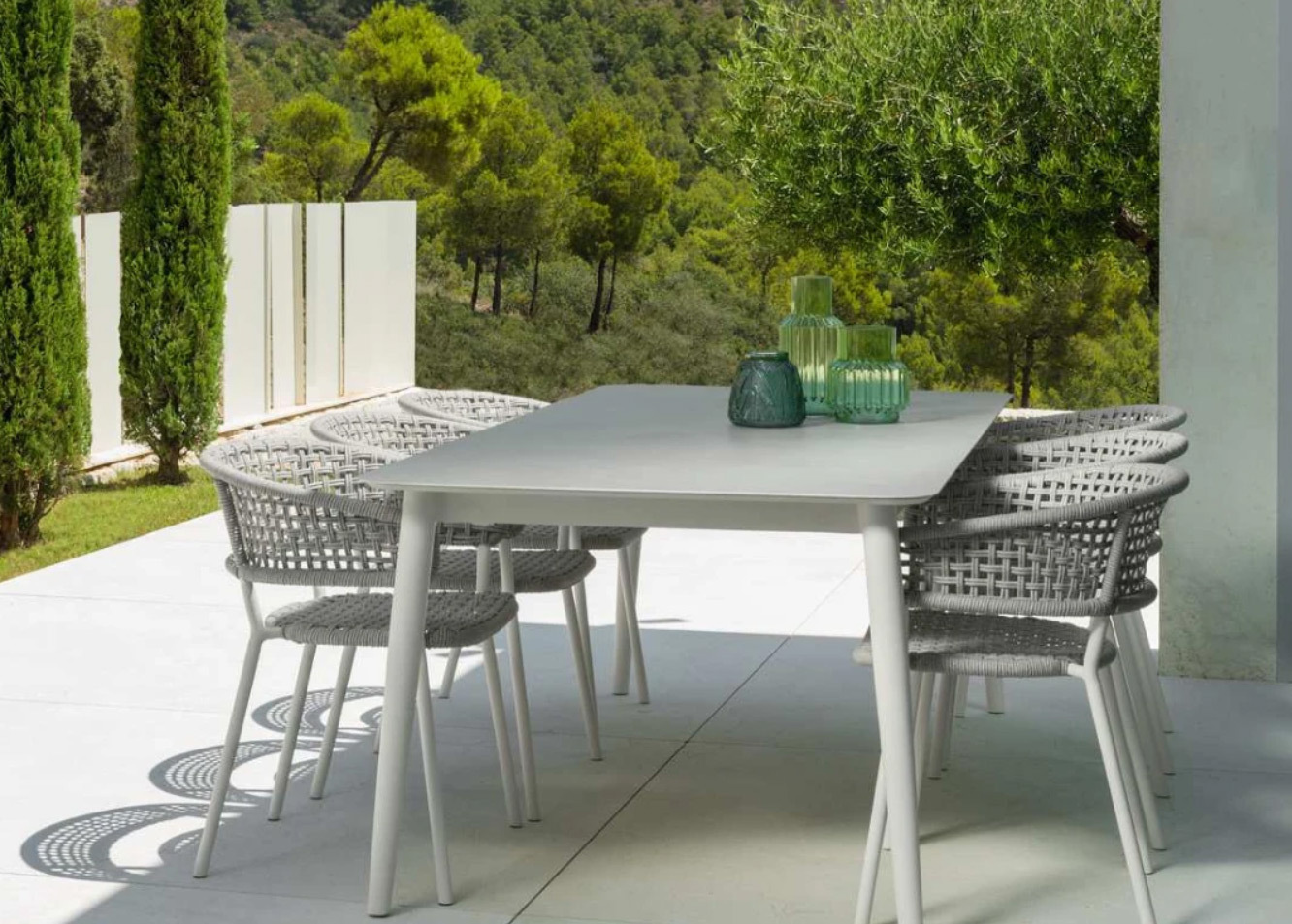
Before you start, brush away loose dirt and leaves, then check the manufacturer’s care instructions if you still have them. Test any cleaner in a hidden spot first, especially on timber, woven materials and painted finishes.
Start with a gentle clean
For most outdoor furniture, warm water, mild dishwashing liquid and a soft cloth or brush will do the job. It is a good place to start because it removes everyday grime without being too harsh on finishes.
Avoid steel wool, abrasive pads and strong household cleaners unless they are specifically recommended for the material. They can scratch surfaces, strip protective coatings or leave marks that are difficult to fix.
Pay attention to the spots that tend to get missed: underneath tabletops, around chair legs, in frame joins and beneath cushions. Leaves, grit and moisture can sit in these areas for months, especially over winter.
Once you have cleaned the furniture, rinse away any soap residue and let everything dry properly before putting cushions or covers back on.
Cleaning teak and other timber furniture
Timber furniture often changes colour outdoors. Teak, for example, can gradually turn from a warm honey tone to a silver-grey. This is a natural weathered finish, not necessarily a sign of damage.
If you like the silver-grey look, regular cleaning may be all your furniture needs. Wash the timber with mild soapy water, using a soft brush in the direction of the grain. Rinse it off and allow it to dry.
If the timber is looking patchy, stained or very dry, a timber cleaner made for outdoor furniture may help refresh the surface. For more stubborn marks, light sanding can be an option, but it is best to go gently. Remove only what you need to, then clear away the dust before applying any treatment.
Oiling can help bring back warmth to some outdoor timbers, though it will not suit every product or finish. Choose an oil that is made for exterior furniture and follow the directions on the label. More is not always better. Too much oil can leave the surface sticky and attract dirt.
Cleaning aluminium and stainless steel furniture
Aluminium is popular outdoors because it is low-maintenance and easy to live with. Most aluminium frames only need a regular wash with mild soapy water and a soft cloth.
For harder-to-reach areas, use a soft brush rather than something abrasive. Take care around powder-coated finishes, as scratches can make a frame look worn before its time.
Stainless steel is also straightforward to clean, but it benefits from regular attention, especially near the coast. Salt spray can settle on the surface and leave it looking dull. A gentle wash followed by a dry cloth is usually enough to keep it looking tidy.
Do not use harsh chlorine-based cleaners on metal furniture. They can damage the finish and cause unnecessary problems.
Refreshing wicker, rope and woven furniture
Woven outdoor furniture can collect dust, pollen and crumbs in places that are not easy to see. A soft brush, vacuum with a brush attachment or gentle hose-down can help remove loose debris.
For a deeper clean, use mild soapy water and a soft brush. Work carefully through the weave without pulling or stretching it. Rinse lightly, then let the furniture dry completely in a well-ventilated spot.
Avoid leaving woven furniture soaking wet for long periods. This is particularly important through wet weather, when moisture can linger in the weave and encourage mould or mildew.
If the material is starting to look faded or brittle from years of direct sun, cleaning may improve its appearance, but it will not reverse UV damage. At that point, a cover, a more sheltered position or replacement may be the practical answer.
Cleaning outdoor tabletops
The right cleaning method for a tabletop depends on what it is made from.
Ceramic and HPL tabletops are usually easy to care for. Wipe away spills promptly, then clean with warm soapy water and a soft cloth. Avoid dragging rough pots, plates or decorations across the surface, as grit can leave scratches.
Concrete and stone tables may need a little more care. Use mild cleaners and wipe up acidic food or drink spills, such as wine, vinegar or citrus juice, before they have time to sit. Never use harsh acidic cleaners unless the manufacturer says they are suitable.
For any tabletop, avoid using pressure washers at close range. They can damage joins, finishes and seals.
Bringing outdoor cushions back to life
Cushions often show their age before the furniture itself. Sun, spills and moisture can leave them looking grubby or smelling a little musty after winter.
Start by brushing off loose dirt and checking the care label. If the covers are removable, wash them as directed and make sure they are completely dry before putting them back on the inserts.
For smaller marks, spot-cleaning with mild soapy water can work well. Blot rather than scrub hard, especially on textured fabrics. If you are dealing with mould, clean it as soon as possible and let the cushions dry outside in good airflow.
If the foam has lost its shape or stays damp for too long, replacement inserts may be worth considering. Fresh covers or cushions can make an older setting feel new again without replacing the whole thing.
Check for small repairs while you clean
Cleaning is a good time to look over the furniture properly. Tighten loose screws, check that chairs sit level and make sure protective feet are still in place. A loose fitting or small wobble is usually easier to deal with now than after another season of use.
Timber may have small surface cracks that can be treated before they worsen. Metal frames may have areas where the finish has been chipped. Woven seats can sometimes be repaired if the problem is caught early.
If a frame is cracked, badly corroded or no longer feels safe, it may be time to seek advice or replace the piece. But plenty of outdoor furniture simply needs a clean, a check-over and a little care to get it ready for another summer.