
Outdoor furniture is something most people only buy a few times, so it is worth slowing down before making a decision. A table or lounge setting can look great online, but it still needs to feel comfortable, fit the space properly and hold up to the way you live.
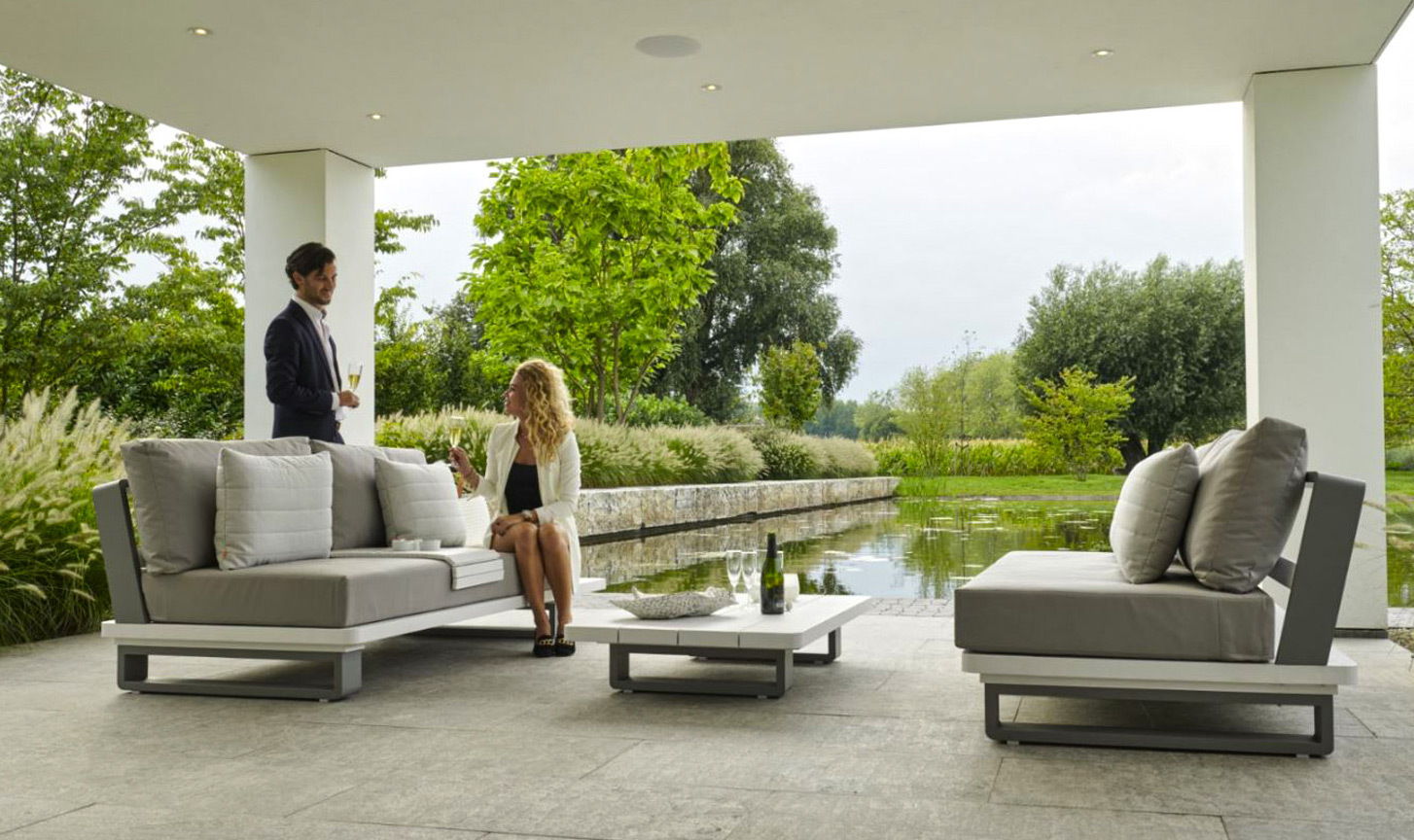
The best outdoor furniture is not always the biggest, heaviest or most expensive option. It is the furniture that suits your home, has been made with care and will still work well after a few summers, wet weekends and family get-togethers.
Here are the main things to look out for before buying outdoor furniture.
Start With the Frame
The frame is the foundation of the furniture, so it is one of the first things to check. Give a chair or table a gentle wobble. It should feel solid and stable, without rocking or shifting under normal use.
Look at how the frame joins together. On metal furniture, check that the joins and welds look tidy and consistent. On timber furniture, look at the quality of the joinery and whether the piece feels strong and well balanced.
You do not need to be an expert to notice when something feels flimsy. If a chair moves when you sit on it, a table feels uneven or a frame looks poorly finished, it is worth asking a few more questions before buying.
Look Closely at the Finish
The finish can tell you a lot about how furniture has been made and how it should be cared for.
For powder-coated aluminium, look for an even surface with no obvious rough patches, chips or scratches. The coating helps protect the frame, so it is worth looking after it once the furniture is at home as well.
With timber furniture, expect natural variation in the grain and colour. That is part of what gives teak and reclaimed timber their character. What you want to avoid is deep cracking, loose sections or surfaces that feel rough where they should be smooth.
Wicker, rope and strap furniture should feel secure and evenly tensioned. Check for loose ends, gaps or areas where the weave looks uneven. These details matter because they can affect how the furniture feels and how it wears over time.
Check the Tabletop and Moving Parts
Outdoor tables need to do a lot of work. They are used for meals, drinks, homework, barbecues and everything in between, so the top needs to feel stable and practical.
If you are looking at a dining table, rest your hands on it and check whether it moves or flexes. Make sure the edges feel smooth and that the legs give enough room for people to sit comfortably.
For extendable tables, ask to see the table fully opened. This is important because the table may need more room than you expect once it is extended. Check that the mechanism is easy to use and that the table still feels stable when it is at its full size.
If the furniture has reclining sections, adjustable backs, wheels or folding parts, try them yourself. They should move smoothly without feeling stiff or loose.
Do Not Forget Comfort
A chair can look fantastic and still be uncomfortable after ten minutes. This is especially important for dining chairs, lounge furniture and sun loungers.
Sit down and take your time. Notice the seat depth, back support and arm height. Your feet should sit comfortably on the ground when you are at a dining table. If you are choosing lounge furniture, think about whether you prefer a more upright seat or something deeper and more relaxed.
Cushions are worth checking too. Look at how they sit on the frame, whether they slide around and whether the covers can be removed for cleaning. Outdoor cushions should feel comfortable, but they also need to suit the amount of weather exposure they will receive.
Trying furniture in person can make a big difference. It gives you a better sense of size, comfort and finish than a photo ever can.
Think About the Material and Your Location
The material needs to suit both the look you want and the conditions outside your home.
Teak has a warm, natural feel and can weather beautifully over time. Aluminium is lighter and suits modern spaces. Wicker, rope and strap can make an outdoor area feel relaxed and textured. Ceramic, HPL and concrete tabletops all have their own look, weight and care needs.
It is also worth thinking about where the furniture will sit. A sheltered courtyard has different needs from an exposed deck or a coastal bach. Strong sun, wind, salt air, rain and pool splashes can all affect materials over time.
There is no need to avoid a material just because it needs some care. You simply need to know what that care involves and be realistic about whether it suits your routine.
Check the Details That Are Easy to Miss
Before buying, take note of the smaller details. These are often the things you only notice once the furniture is at home.
Check the overall dimensions, including arm height, chair width and the space needed to pull chairs out from a table. If you are buying a lounge setting, think about how much space the full depth of the sofa will take up.
Measure gates, doorways, stairs and narrow access points before delivery. A piece may fit perfectly on the deck but still be difficult to get through the side gate.
Ask whether the furniture needs assembly and what is involved. It is also useful to know whether replacement cushions, covers or components are available if you need them later.
Read the Care and Warranty Information
Good outdoor furniture should come with clear care advice. Before you buy, check how the frame, tabletop and cushions should be cleaned. Find out whether timber needs treatment, whether cushions should be stored during winter and what to do if the furniture is near the coast or pool.
Warranty information is also worth reading. It can help you understand what is covered and how to care for the furniture properly. A warranty should never be the only reason you buy something, but it is a useful part of the bigger picture.
Take Your Time
Buying outdoor furniture is easier when you do not rush it. Take measurements, sit on the chairs, look at the finishes and think about how the furniture will be used throughout the year.
Before making a final decision, ask yourself:
-
Does it fit the space properly?
-
Does it feel comfortable?
-
Is the material right for the location?
-
Can we manage the care it needs?
-
Does it suit the way we actually live outside?
When the answer is yes, you are much more likely to end up with outdoor furniture that feels right at home and gets used often.