
A New Zealand winter can be tough on outdoor furniture. Rainy weekends, damp mornings, wind and less time spent outside can leave a setting sitting unused for weeks at a time. A little preparation before winter sets in can help keep furniture cleaner, drier and ready for the first decent day in spring.
You do not always need to pack every piece away. Large tables, chairs and outdoor lounges are often designed to stay outside. The important part is cleaning them properly, protecting the more vulnerable pieces and making sure moisture is not trapped where it should not be.
Start with a proper clean
Before covering or storing anything, give your furniture a good clean. This gets rid of dust, pollen, food crumbs, leaves and grime that may have built up over summer.
For most furniture, warm water, mild dishwashing liquid and a soft cloth or brush are enough. Clean underneath the table, around chair legs and in the corners where leaves and moisture tend to collect.
Timber furniture should be allowed to dry fully after cleaning. Aluminium, stainless steel and other metal frames should be wiped dry too, especially if you live near the coast. Salt and damp conditions can sit on the surface longer over winter, so it is worth starting the season with everything clean.
Do not forget the area beneath the furniture. Clearing away leaves and debris from the deck or patio helps air move around the furniture and stops damp material from sitting against the legs.
Bring cushions inside if you can
Cushions are usually the first thing worth storing. Even outdoor fabrics are better off somewhere dry during long wet periods.
A spare room, garage, dry shed or indoor storage cupboard can work well. The main thing is that cushions are completely dry before you put them away. Storing them damp can lead to mould, mildew and that musty smell nobody wants to deal with in spring.
If you use a storage box outside, choose one that keeps water out while still allowing some ventilation. Check it after heavy rain, particularly if it is tucked into a shaded corner where things stay damp.
For homes with limited storage, it may be enough to bring cushions inside during the wettest months and return them to the furniture when the weather improves.
Covers are useful, but do not trap moisture
A furniture cover can protect a table, chairs or lounge suite from leaves, dirt and rain. It is most useful when the furniture will not be used for a while.
The mistake people often make is putting a cover over furniture that is still damp. This can trap moisture against the surface and create the perfect conditions for mould, mildew or water marks.
Wait for a dry day if possible. Clean the furniture, let it dry properly and then fit the cover. A breathable cover that allows some airflow is a better choice than one that seals everything in tightly.
Make sure water is not pooling on top of the cover after rain. If it is, clear it away. Standing water can stretch the cover and place unnecessary weight on the furniture beneath it.
It is also a good idea to take the cover off now and then on a fine day. Let the furniture air out and check that everything underneath is dry.
What to do with timber furniture
Timber furniture can stay outside over winter, but it should not be left with wet leaves, pot plants or decorations sitting on it for months. These can hold moisture against the timber and leave stains or uneven weathering.
If your timber furniture needs oil, treatment or a light sand, do that before winter where possible. Choose a dry spell and give the product time to cure before the wet weather arrives.
Teak is naturally well suited to outdoor conditions and may simply need a clean. If it has weathered to a silver-grey, that is normal and does not mean the furniture has been damaged. Keep the surface clean and avoid covering it while damp.
Look after metal, wicker and rope furniture
Aluminium furniture can generally stay outside with a cover or in a sheltered spot. Give it a wash first and check any screws, feet or moving parts before winter.
Stainless steel also benefits from a clean, especially near the sea. Salt spray is not always obvious, but it can build up over time.
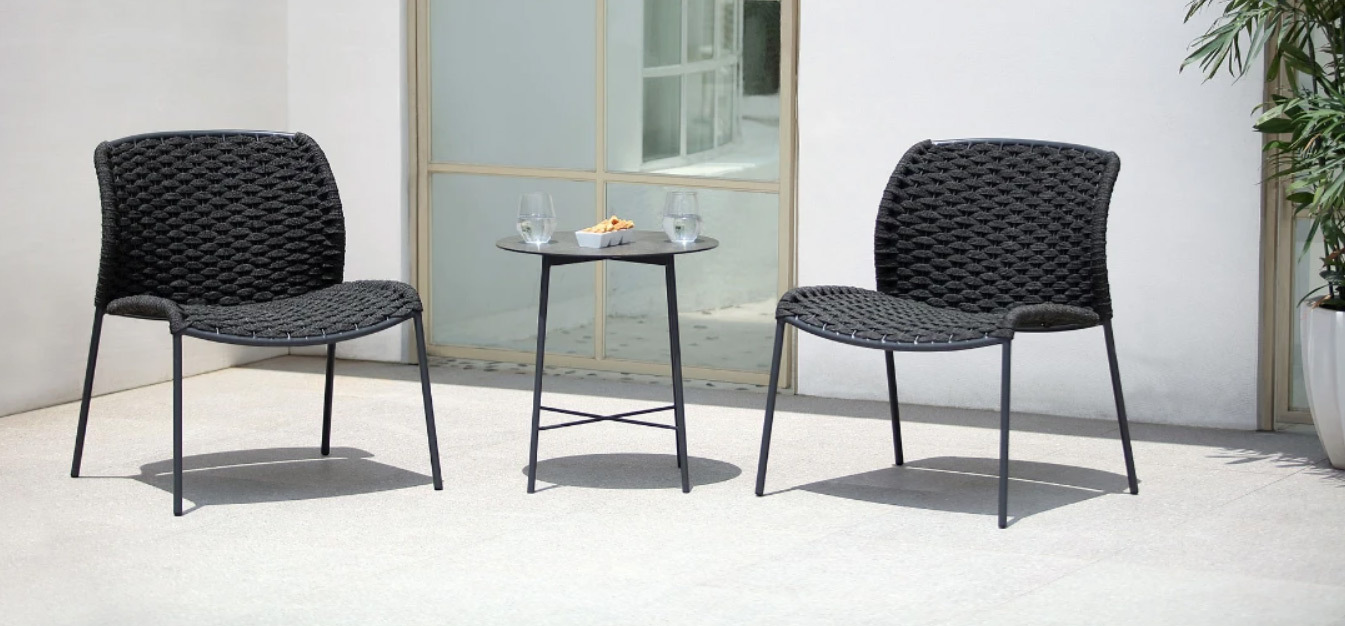
Wicker, rope and woven furniture need a little more protection from constant damp. If you have space, move these pieces under cover, into a garage or against a sheltered wall. If they are staying outside, make sure they are clean and dry before using a breathable cover.
Avoid wrapping furniture tightly in plastic. It may keep rain out, but it can also hold condensation in.
Move smaller pieces to a sheltered spot
Side tables, stackable chairs, umbrellas and lightweight loungers are easier to store than a full dining table. Bringing these under a covered area can make a real difference.
Close and secure umbrellas before windy weather. If the umbrella can be removed from the base and stored inside, even better. Strong gusts can damage both the umbrella and nearby furniture.
Stack chairs only if they are designed for it. Placing a small protective layer between them can help prevent rubbing or scratching over the season.
Check on your furniture now and then
Once your furniture is stored or covered, it is tempting to forget about it until spring. A quick check after a heavy downpour or a run of wet weather is worthwhile.
Look for water pooling on covers, damp cushions, loose straps or furniture that has shifted in the wind. Catching these things early is much easier than dealing with mould or damage at the end of winter.
Winter storage does not have to be complicated. Clean everything, keep cushions dry, use covers carefully and give your furniture a quick check when the weather has been rough. Then, when the first warm weekend arrives, your outdoor area will be much easier to get back into shape.