
Outdoor furniture in New Zealand has a lot to deal with. A bright sunny afternoon can turn into rain by dinner, while coastal homes have salt air to think about as well. Even in sheltered areas, pollen, dust, falling leaves and damp winter weather can slowly affect how furniture looks.
The good news is that protecting outdoor furniture does not need to be a big job. A few sensible habits will help your setting stay cleaner, more comfortable and in better condition over time.
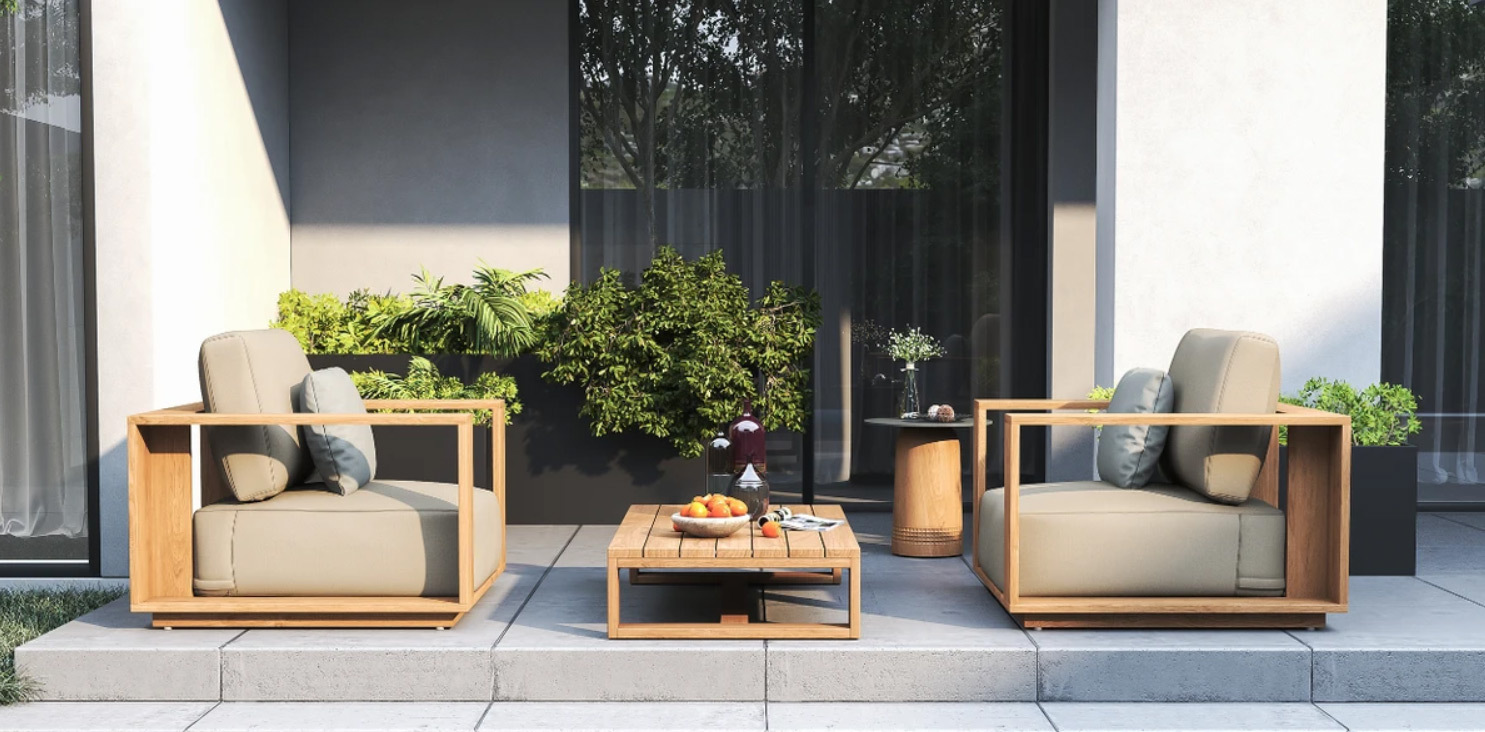
Start with the right spot
Where your furniture sits makes a real difference. A covered patio, pergola or sheltered corner of the deck will naturally give it more protection than an open area exposed to the full force of the weather.
That does not mean furniture cannot live in the open. It just means you may need to take a little more care with it. If you are choosing where to place a dining set or lounge suite, think about the direction of the prevailing wind, how much direct afternoon sun the area gets and whether rain tends to blow in.
A bit of shade can help protect timber, woven materials and cushions from harsh UV. It also makes the space more enjoyable on those hot summer days when the deck gets too warm to sit on comfortably.
Keep furniture clean
Dirt can seem harmless, but when it sits on outdoor furniture for a long time, it can cause problems. Leaves hold moisture, bird droppings can stain, and dust or grit can wear away at finishes when furniture is used.
Give your furniture a gentle clean every so often with mild soapy water and a soft cloth or brush. It does not need to be done every week, but a regular wash is worthwhile, especially after a long dry spell, high pollen season or rough weather.
Coastal homes need a little extra attention. Salt can settle on metal frames, tabletops and fittings, even if you cannot see it. Rinsing furniture with fresh water and drying it off now and then can help prevent dullness and corrosion.
Use covers the right way
Covers are useful when furniture will not be used for a while, but they are not a cure-all. The most important thing is to put a cover on clean, dry furniture.
Covering damp furniture can trap moisture underneath. That can lead to mould, mildew and marks on timber, fabric or woven materials. It is better to wait for a dry day, give the furniture a quick wipe-down and then cover it once the surface is fully dry.
Choose a cover that fits well without being too tight, and look for one that allows some airflow. If a cover holds water in pockets after rain, clear it away rather than leaving the weight sitting on top of the furniture.
On calm, sunny days, take covers off from time to time so the furniture can air out.
Protect timber from the weather
Timber outdoor furniture is made to be used outside, but it still benefits from a little care. Teak can handle outdoor conditions well and often develops a soft silver-grey finish over time. Some people love that look, while others prefer to maintain the original warmer colour.
Regular cleaning is the first step. If you want to keep or restore the richer timber tone, use a product made for the specific type of timber and follow the instructions carefully. Teak oil, for example, is not something that needs to be applied constantly. Too much can leave the surface sticky and attract more dirt.
Try not to let wet leaves, planters or table decorations sit in one place for months. They can leave darker patches or rings that are harder to remove later.
Look after metal frames and fittings
Aluminium furniture is a practical choice because it is light, durable and generally easy to care for. A wash with mild soapy water is usually all it needs.
Stainless steel is strong and smart-looking, but it still needs cleaning, particularly near the coast. Salt, sunscreen and food spills can settle on the surface, so give it a wipe before marks have time to build up.
Check hinges, screws and other fittings from time to time. If a chair has started to wobble or a screw is working loose, deal with it early. Small fixes are much easier than leaving a problem until the furniture becomes uncomfortable or unsafe to use.
Be mindful of sun exposure
New Zealand sun can be hard on outdoor furniture. Fabrics, rope, wicker and strap materials can gradually fade or become dry if they are exposed to strong UV all day, every day.
If cushions are not being used, bring them inside or store them somewhere dry. This is one of the easiest ways to make them last longer. It also means they are ready to use when the weather turns nice.
For furniture that stays outside, umbrellas, shade sails and pergolas can provide useful protection during the hottest part of the day. Moving a chair or side table a metre or two into a more sheltered position can also make a difference.
Secure furniture in windy areas
Wind is easy to overlook until it sends a chair across the deck. Lightweight furniture, umbrellas and loose cushions can all become a problem in exposed locations.
Close umbrellas when they are not in use, particularly before heading away for the weekend. Store cushions, throws and smaller items inside if strong winds are forecast. If you live in a breezy spot, choose furniture with a little weight to it or keep lighter pieces in a more protected area.
It is also worth checking that furniture is sitting level. A wobbly table or chair is more likely to move, tip or wear unevenly.
Give it extra care over winter
Winter is a good time to reset your outdoor area. Clean the furniture, remove leaves and dirt from underneath it, then check for any loose screws, chipped finishes or marks that need attention.
Store cushions indoors or in a dry, ventilated storage box. If you use covers, check under them now and then so you do not discover trapped moisture months later.
Outdoor furniture is there to be lived with, so it does not need to look untouched. But a little protection from the weather will help it keep doing its job, season after season.