
Finding outdoor furniture you like is the fun part. Making sure it fits properly is what saves you from a cramped deck, blocked doorway or table that looks much bigger at home than it did in the showroom.
Before you start looking at furniture, take a few measurements of your outdoor area. It does not need to be complicated. A tape measure, a quick sketch and a few photos are usually enough to give you a clear picture of what will work.
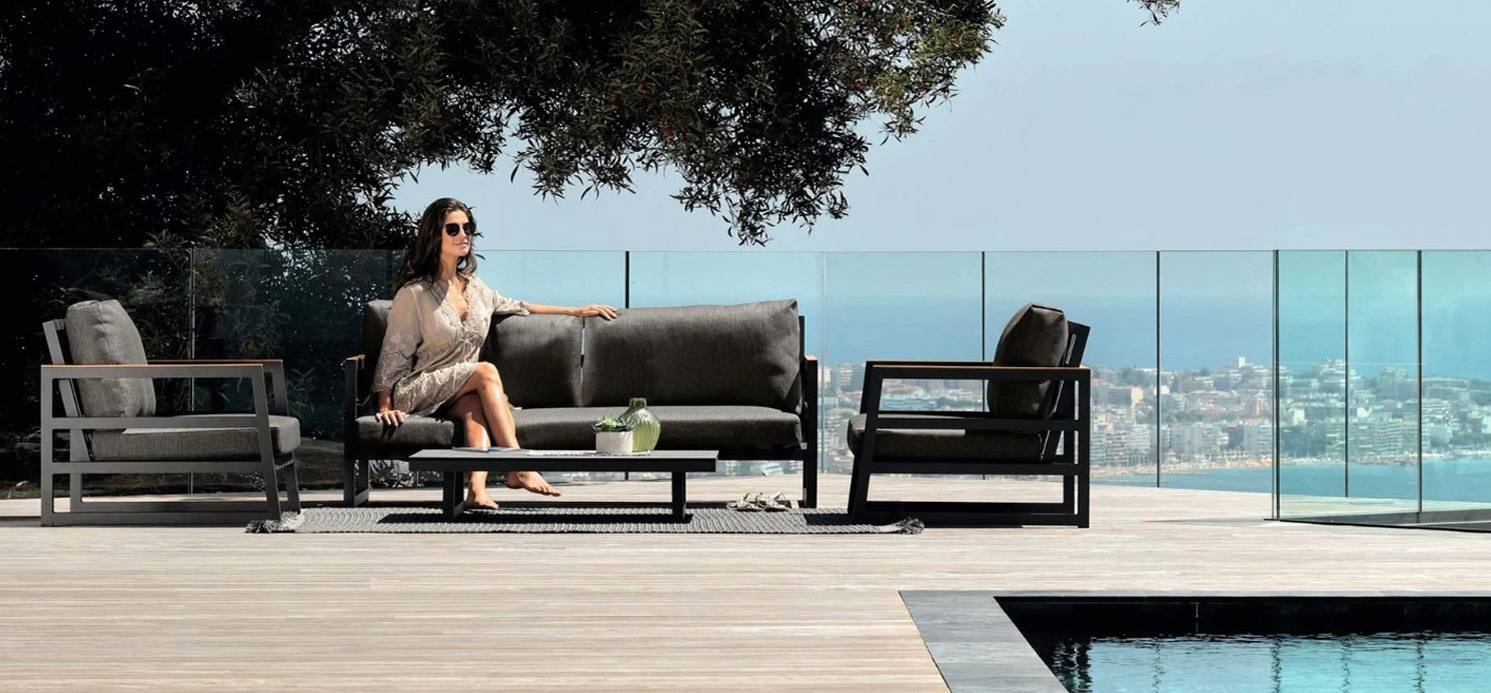
The aim is not to fill every spare corner. A good outdoor area should still feel easy to move around in. You want enough room to pull out chairs, walk to the barbecue and open the back door without squeezing past furniture.
Start With the Usable Area
Measure the length and width of the part of the deck, patio or courtyard where the furniture will actually sit. This is different from measuring the full outdoor area.
Take note of anything that takes up space, such as steps, doors, posts, balustrades, drains, planters, outdoor fireplaces and built-in seating. These details can affect where a table or sofa can go.
If your outdoor area is an unusual shape, do not worry about making a perfect drawing. A simple outline with the main measurements is enough. It is also useful to take a few photos from different angles. They can help you picture where larger pieces will sit and whether the furniture will interrupt the flow of the space.
Leave Room to Move
Furniture needs breathing room. A dining table may fit into a space on paper, but it can feel completely different once chairs are pulled out and people are sitting around it.
Think about the routes people use most. Can you still get from the house to the garden? Is there enough space to open doors? Will someone be able to walk behind a chair while another person is seated?
This matters even more in smaller areas. It is tempting to fit in a large table or deep sofa, but leaving a clear path through the space often makes the area feel bigger and more enjoyable to use.
A good way to test your layout is with painter’s tape, cardboard or even outdoor cushions. Mark the footprint of the furniture on the ground, then walk around it. Open the doors, pull out imaginary chairs and see whether the layout feels comfortable.
Measuring for an Outdoor Dining Setting
When choosing an outdoor dining table, measure more than the table itself. You also need room for chairs and space for people to sit down and stand up.
A round table can work well in a smaller or square-shaped area because it has no corners to navigate around. A rectangular table may suit a long deck or larger family gathering. If you are looking at an extendable table, make sure you measure it at its full size, not only when it is closed.
Think about the number of people who will use the table most often. A large table can be useful for Christmas lunch or weekend entertaining, but it may take up more room than you want for everyday meals. An extendable option can be a good middle ground.
Also consider where the chairs will go when they are not in use. Chairs with arms can take up more room, while benches can sometimes sit neatly against a wall or tuck beneath the table.
Measuring for Outdoor Lounge Furniture
Outdoor lounge furniture often takes up more space than people expect. Sofas and lounge chairs are deeper than dining chairs, and you may also want a coffee table, side table or ottoman in front of them.
Measure the full depth of the sofa, not just the width. Then allow room around it so people can move easily and sit down without bumping into a table or planter.
If you are choosing a modular lounge, think about how you want it arranged. A corner setting can make good use of a larger deck, while separate chairs and a smaller sofa may be easier to move around if you like changing the layout.
Try not to push every piece against the edge of the deck. In some spaces, bringing a lounge setting slightly forward can make it feel more welcoming and create a better place for conversation.
Do Not Forget Access and Delivery
Before ordering outdoor furniture, measure the route it needs to take from the truck to your outdoor area. Check the width of gates, doorways, side paths, stairs and any tight corners.
This is particularly important for large tables, sofas and fully assembled furniture. A piece may fit perfectly on the deck but still be difficult to get through a narrow side gate or around a corner inside the house.
If access is limited, consider furniture that arrives in smaller sections or can be assembled outside. It is worth checking this before delivery day rather than trying to solve the problem when the furniture arrives.
Think About Shade, Wind and Outdoor Extras
When measuring your outdoor area, think about more than the furniture itself. An umbrella needs room for its base and canopy. A cantilever umbrella can take up a surprising amount of space when opened, especially near doors, fences or low rooflines.
If you are adding a heater, planter, storage box or outdoor rug, include those in your layout as well. These details can make an outdoor area more comfortable, but they can also make a small space feel cluttered if they are not planned for.
Take note of where the sun moves during the day. You may want your dining table in morning sun but your lounge area in afternoon shade. If the space is windy, think about where lighter furniture and cushions will be safest.
Make a Simple Plan Before You Buy
You do not need a detailed design drawing. A quick plan with measurements, photos and notes will help you make a much better decision.
Before buying, make sure you know:
-
The usable length and width of the area
-
Where doors, steps and walkways need to stay clear
-
The full size of the furniture, including chairs and open extension tables
-
Whether it will fit through gates, doorways and access paths
-
Where umbrellas, storage and planters will sit
-
How much room people need to move comfortably
Taking the time to measure first makes choosing outdoor furniture much easier. It helps you focus on pieces that fit the space, suit the way you live and leave room for everyone to relax.